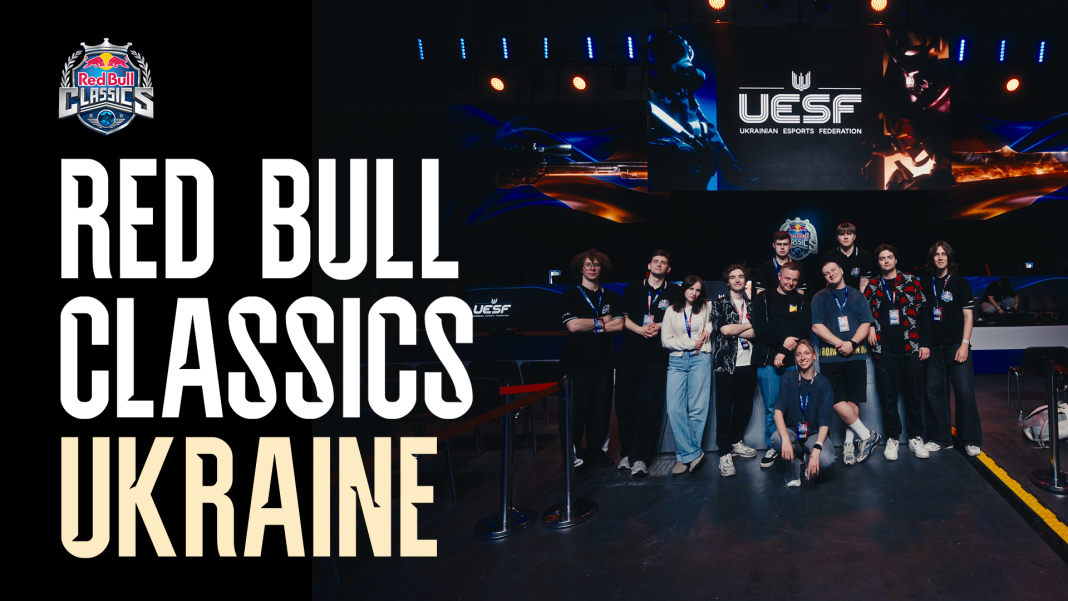
Red Bull ClassiCS — an international CS2 tournament that Red Bull runs in countries around the world. When the opportunity arose to get involved in delivering the Ukrainian edition, UESF entered the tender and won it. For the team, this was a matter of principle — to be part of a quality offline product for the Ukrainian CS2 community and to gain experience running an event of international caliber.
A LAN final at FANCON, a technical innovation with real-time in-game data displayed on LED screens, and a transparent cheat complaint review — all of it happened. Here’s exactly how.
The First Tournament of This Scale
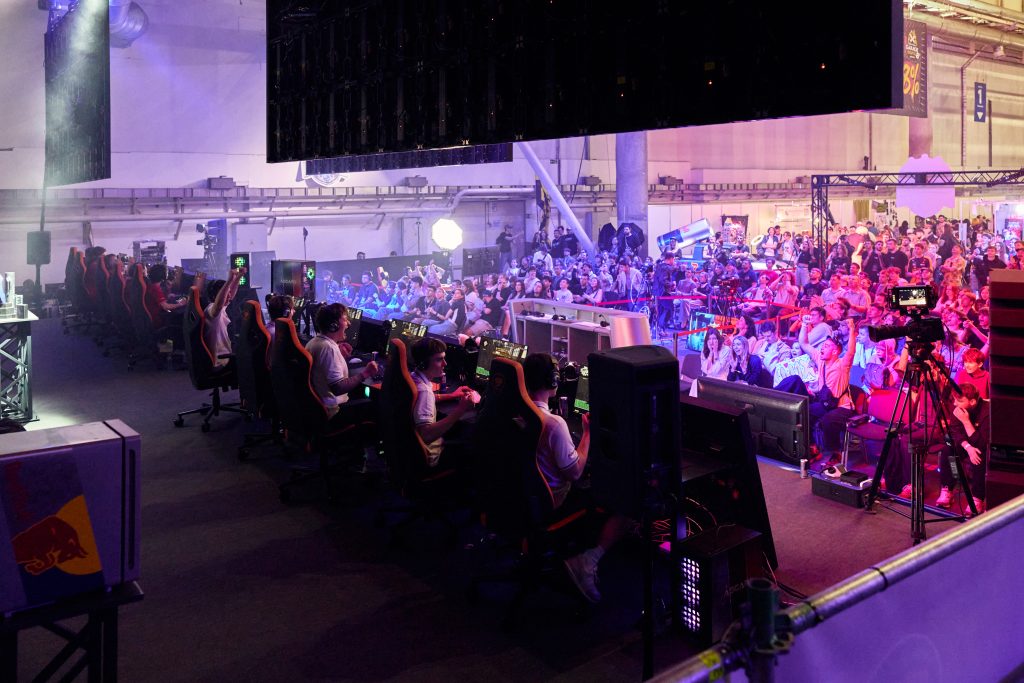
Red Bull ClassiCS Ukraine became the first tournament of this level on the Ukrainian CS2 scene, delivered by UESF as the technical contractor for Red Bull. For the team, this isn’t just another project — it’s practical confirmation that the federation is capable of taking on operational responsibility for esports LAN events, even amid a full-scale war.
UESF CEO Andrii Gryshchenko explains: “For the Ukrainian Esports Federation, this project turned out to be much more than just another tournament. Above all, it was invaluable experience running a large-scale LAN event under conditions of a full-scale war. Planning events like this today requires accounting for dozens of additional factors — from security risks to contingency plans during air raid alerts. The successful delivery of Red Bull ClassiCS once again proved that even under these conditions, it’s possible to run high-level events in Ukraine.”
Format, Scale, and Who Made the Final
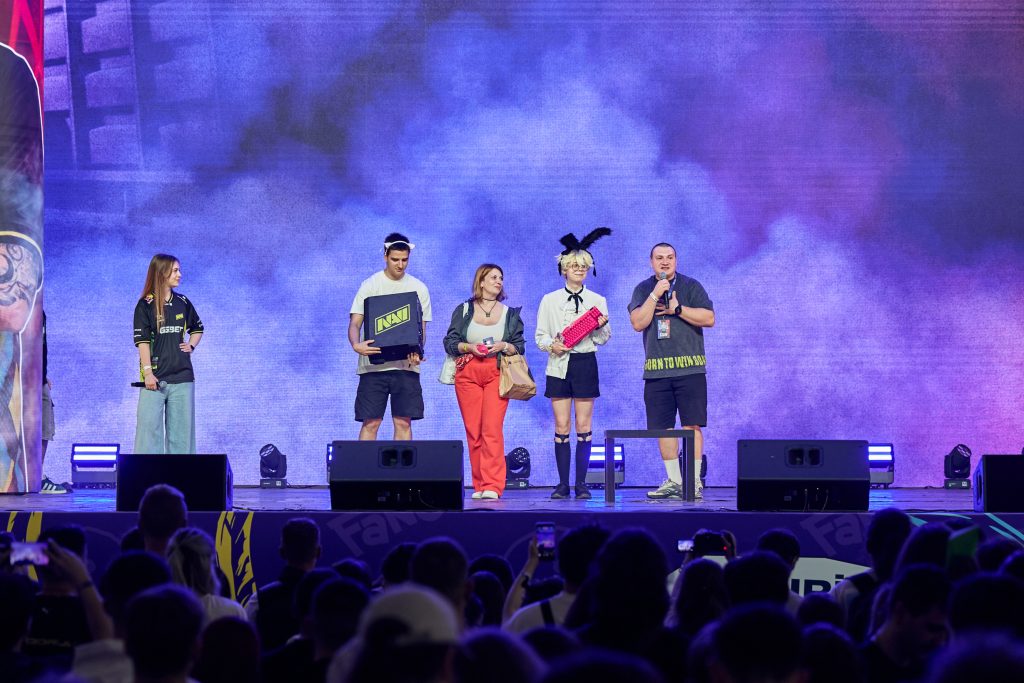
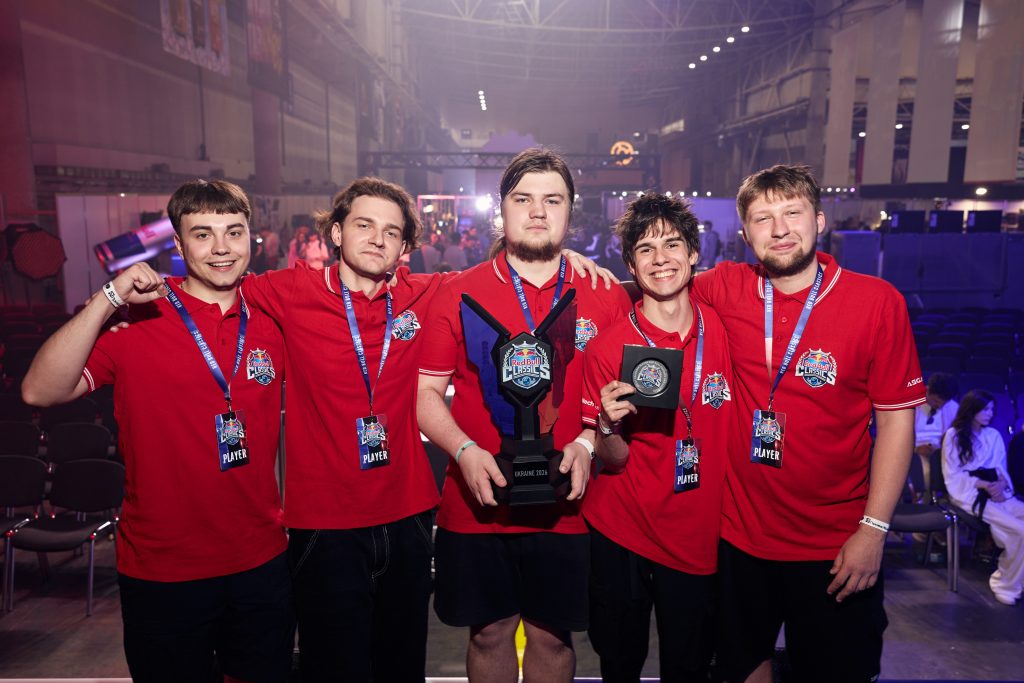
The tournament consisted of two online qualifiers and a LAN final. A total of 1,377 players registered for the two qualifiers — general and student — and were sorted into 128 teams. Four teams made it to the LAN final. m1xx was the only team that didn’t lose a single game, dropping just one map in the final Best-of-Three. nadetektor fell to the lower bracket after five wins but fought their way back through six opponents in a row. chessplayersS won the student qualifier without a single loss, and KPI EVO secured the last slot through the lower bracket. In the final, nadetektor won, defeating m1xx.
The tournament was played on classic and current CS maps: Aztec, Tuscan, Cache, Cobblestone, Dust2, Anubis, and Vertigo. Prize pool: 80,000 UAH and a bootcamp with NAVI for the winners, 60,000 UAH for second place, 40,000 UAH for third.
Technical Execution
The online qualifiers were held on the Challenger Mode platform in a Double Elimination format — bracket administration, technical support, and communication with participants all fell to UESF’s technical team. Live broadcasts of the qualifiers were also organized so the community could follow the action. At the LAN final, the broadcast was run by the Maincast studio — a team and talent lineup that viewers are used to seeing at top-tier tournaments, which immediately raised the event’s media profile.
Delivering the LAN stage required a separate large workload. Red Bull, as an international company, has its own standards, procedures, and branding guidelines — and the process of approving each element, from graphics to technical solutions, required precise coordination and time. For UESF, this was a new experience of working within the requirements of a major partner.
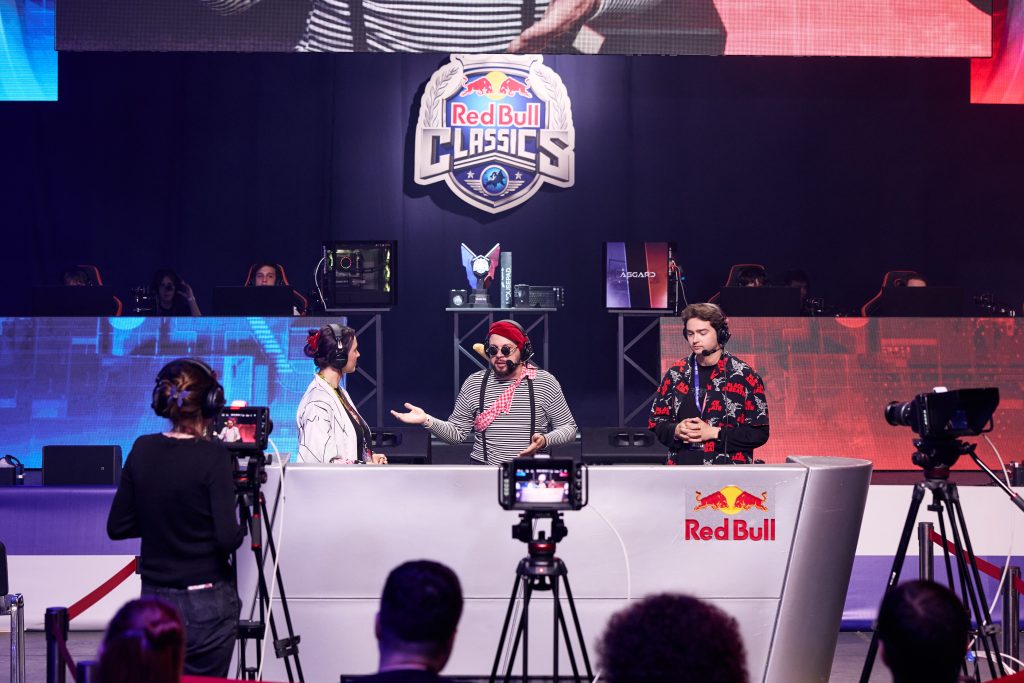
A large team of specialists was brought in to produce the LAN stage: LED screens, sound equipment, lighting, and broadcast — each direction handled separately. To synchronize all elements, a detailed step-by-step script was worked out first. Then the design team created a digital replica of the venue with all elements included, and only after that did execution begin — simultaneously across several directions: audio, visual, vibration. 3D designers, graphic and motion designers, and a sound designer all worked on this. The final stage — testing and rehearsals.
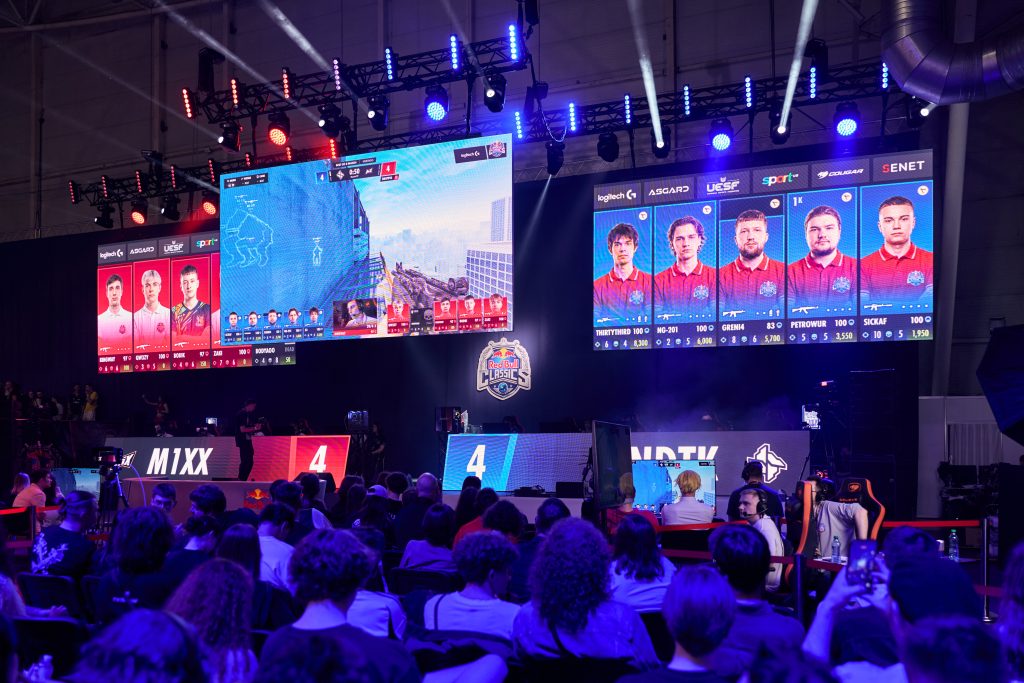
Separate mention goes to the custom HUD for the broadcast. A HUD (Head-Up Display) is the graphical interface viewers see overlaid on the game footage during a broadcast: the scoreboard, player health, team economy, round timer, and other real-time in-game information. At Red Bull ClassiCS, a full output of in-game data to the LED screens in sync with the broadcast was achieved — a feature that typically only appears at major international tournaments and requires the development of custom software.
Fair Play — Not Just a Declaration
During the qualifiers, a team approached UESF with a suspicion that their opponent was using third-party software that provided an in-game advantage.
The team approached the request with substance. An independent expert panel of three specialists with extensive esports experience was formed — former and current professional players and competition winners: Oleksii “yXo” Maletskyi (commentator, analyst, former pro player), Maksym “Pikor” Nechyporchuk (Ukrainian champion 2021), and Andrii “Guthrie” Havrysh (streamer, pro player).
The panel conducted a detailed point-by-point analysis of the match demo recording — movement dynamics, crosshair control, timings. Conclusion: no signs of third-party software detected. The complaint was dismissed and the match results stood.
They followed a clear protocol — UESF has established procedures for exactly these situations. Upon receiving the complaint, the standard review mechanism was immediately launched: an independent panel was formed, the scope of materials for analysis was defined, and deadlines were set. A match result must depend solely on the teams’ skills — and ensuring that is part of the day-to-day work.
FANCON as the Final’s Venue
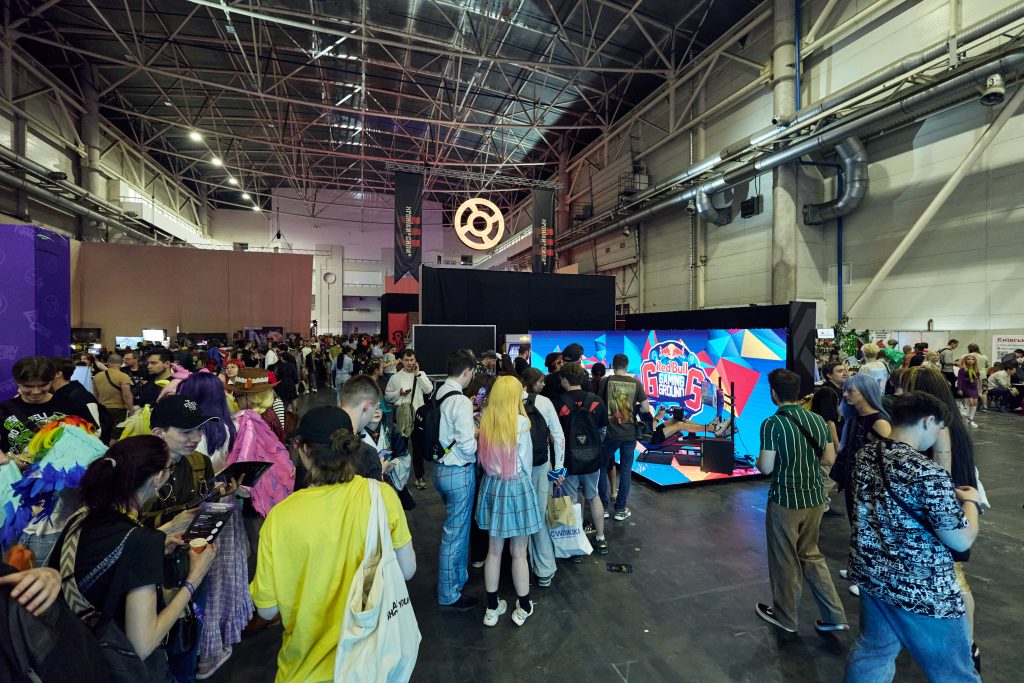
The Red Bull ClassiCS LAN final took place at FANCON 2026 — Ukraine’s biggest pop culture festival at the International Exhibition Center in Kyiv. This year, the festival was attended by 46,714 people.
FANCON isn’t just a venue. It’s an event that every year brings together fans of video games, anime, cosplay, esports, and dozens of other communities under one roof. The festival has existed since 2024 and has nearly doubled in attendance over two years. Beyond entertainment, FANCON has a strong social mission: every year, together with video blogger OLDBoi, it raises funds to support the 3rd Army Corps.
Combining an esports final with a pop culture festival of this scale was a natural fit — the FANCON audience and the CS2 audience overlap significantly.
Summary
Red Bull ClassiCS Ukraine is practical experience gained while working as a contractor for an international brand. There’s already experience organizing their own tournaments — the Ukrainian Championship, national team tryouts, local events. But this project delivered something different: real work within the standards of a major international company — approvals at every stage, meeting requirements, coordination between teams. In parallel — their own operational side: qualifier administration, LAN technical execution, broadcasting.
“Equally important is the fact that this project became an example of effective collaboration between a national federation and one of the world’s leading brands. We’re confident this is just the beginning. Partnerships like this open new opportunities for the development of Ukrainian esports, attracting business to the industry, and creating quality projects for players, teams, and the entire community,” — Andrii Gryshchenko, CEO of UESF.